Points to check before you book an ATV Dubai desert ride
Booking an ATV Dubai desert ride is simple in principle, but the details matter. A desert outing depends on timing, route conditions, safety rules, and what is included in the booking. A little checking before you commit can prevent mismatched expectations, especially if this is your first ride in a hot and changing landscape.
The aim is not to turn the decision into a complicated exercise. It is to make sure the ride fits your experience, your group, and the kind of day you want. Think of it as matching three things: the rider, the vehicle, and the setting. When those line up, the experience is far more likely to feel relaxed and well paced.
Confirm who is actually riding
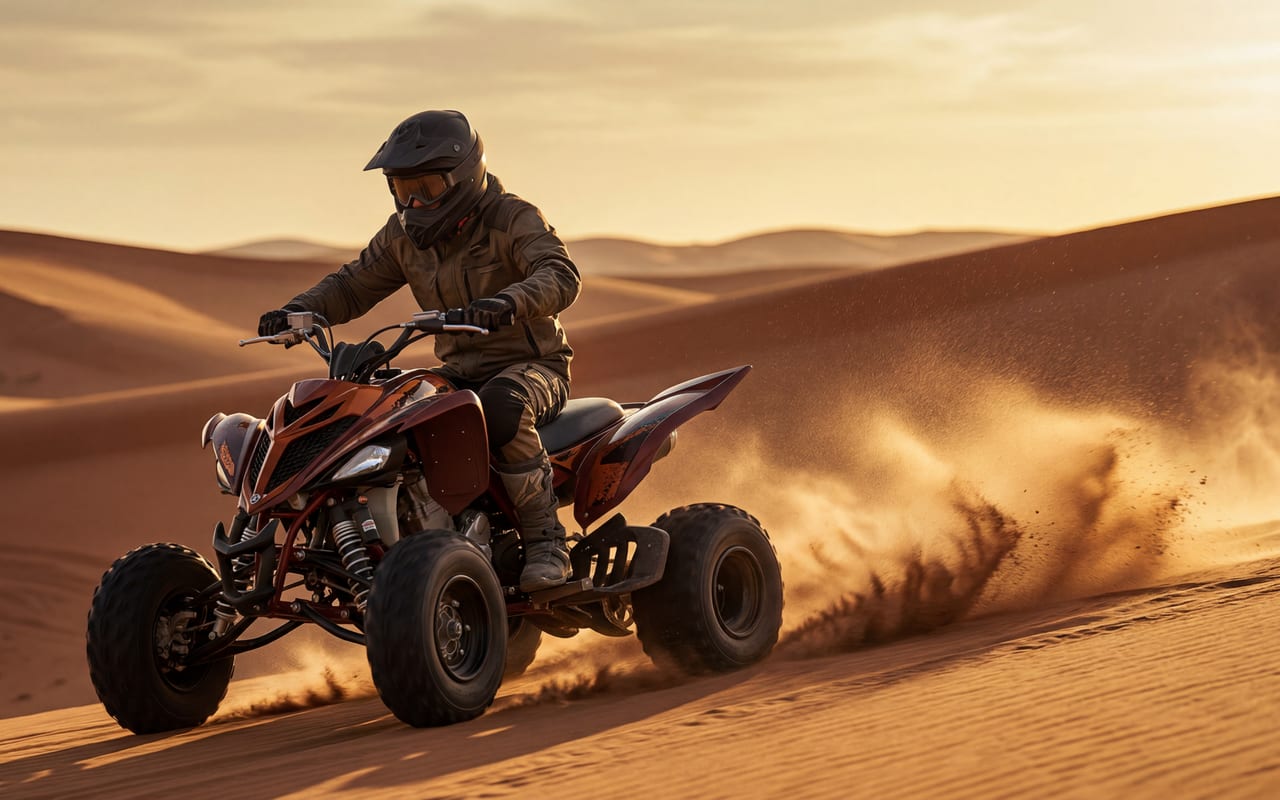
Start with the riders. ATV driving is not the same as riding a bicycle or sitting in a car. It needs balance, steering control, and the ability to react calmly to uneven ground. If someone in the group has never ridden before, look for an option that explains how the ride works for beginners and whether instruction is included.
Age rules, height limits, and passenger policies should be clear before booking. These requirements are not formalities. They exist because vehicle size, control reach, and balance all affect safety. If children or less confident riders are coming, check what they can join and what they will do while others ride. A plan for mixed abilities is often more useful than a plan that assumes everyone wants the same pace.
It also helps to be honest about physical comfort. Long periods in the sun, dust, and vibration can be tiring. Anyone with joint, back, or balance concerns should think carefully about ride length and intensity. If in doubt, choose a shorter and calmer option rather than trying to match the most adventurous plan in the group.
Check what the booking includes
Two bookings can look similar at first glance and still differ in practical ways. Read the details closely and look for what is included, what is optional, and what riders need to bring. This is where a short ride can be distinguished from a fuller outing with several stops or extra activities.
Useful points to confirm include:
- Helmets, gloves, goggles, and other basic riding gear, and whether they are provided or need to be brought.
- The route type, such as open desert tracks, dunes, or a more controlled area, and how difficult the terrain is likely to be.
- Whether water, rest stops, or shaded breaks are part of the plan, which matters in warm weather.
- What happens if the group is split by skill level, especially for beginners and experienced riders.
- Any rules on photos, filming, mobile phones, or carrying small bags during the ride.
When comparing options, check the ATV Dubai Desert official site for the details attached to the specific booking you are considering. The value is in the specifics, not in the headline. A ride that includes clear safety briefings and suitable gear may matter more than a slightly longer route with unclear arrangements.
Look at timing and desert conditions
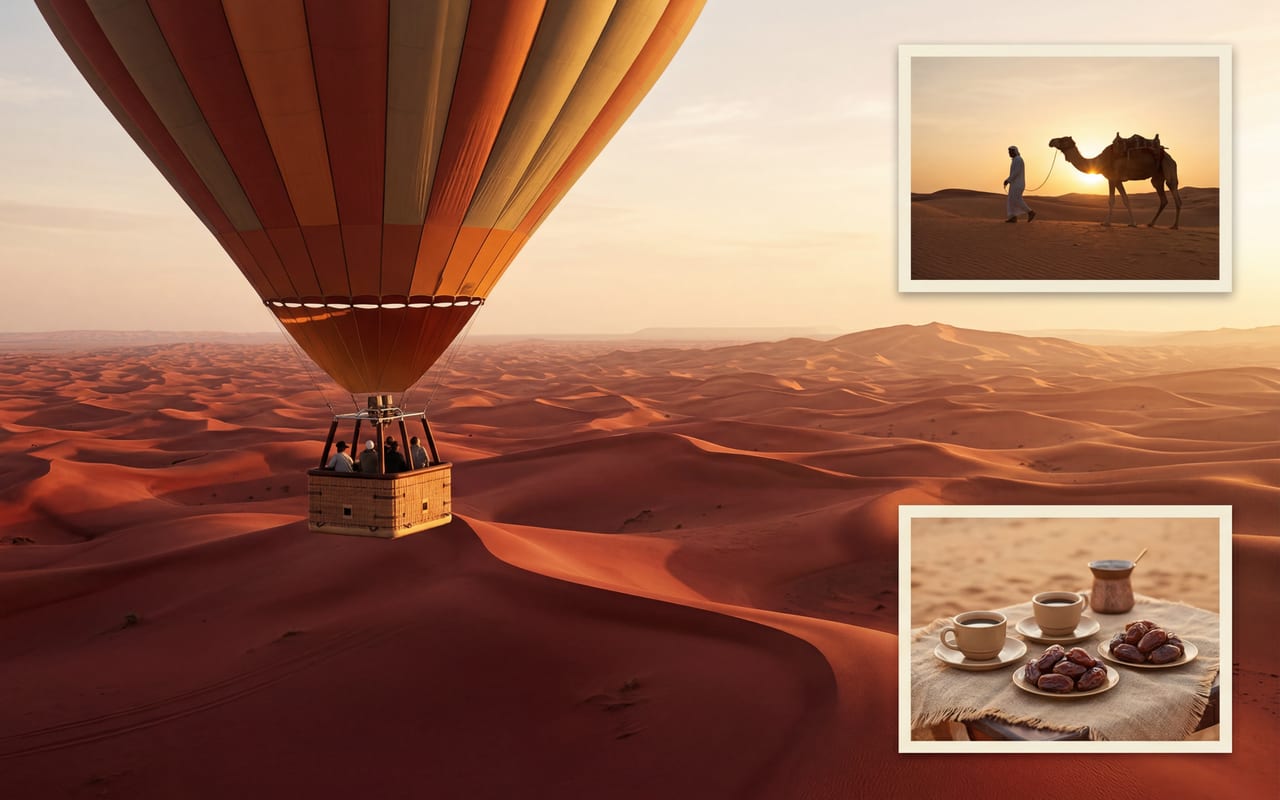
Desert conditions shape the experience more than many first time visitors expect. Sand can be firm in one area and soft in another. Tracks change after wind and traffic. Heat can make midday rides uncomfortable, while late afternoon light changes the feel of the landscape. The best time depends on comfort, group pace, and how much heat each rider can tolerate.
Ask how the route is chosen on the day and whether conditions can change the plan. A responsible operator will treat weather, visibility, and track condition as practical safety matters, not minor details. If a route is described in very fixed terms, it is fair to ask what happens when the terrain is not suitable.
Season also plays a part. Cooler months may feel more comfortable for longer rides, while warmer periods call for shorter sessions and more careful planning around water and sun cover. Dust can affect visibility, so eye protection is not a luxury. Loose clothing can catch on equipment, while open sandals offer little protection. Practical clothing makes a real difference.
Understand the safety brief and vehicle controls
Before any ride, riders should know how to stop, steer, accelerate, and signal to the group. A clear briefing should also explain what to do if the vehicle feels unstable, if the group separates, or if someone needs help. These points are especially important in open terrain where landmarks can be hard to read.
It is reasonable to ask whether the briefing happens before the ride starts and whether beginners get extra time to practise. If controls are not explained clearly, confidence suffers. Riders should never feel pushed into going faster than they are comfortable with. A good pace respects the least experienced rider rather than leaving them to catch up.
Safety checks should be handled by trained staff, not left to customers. Riders can still pay attention to obvious signs, such as a vehicle that sounds unusual, feels hard to steer, or does not respond properly. If something feels wrong, the sensible move is to stop and say so before continuing. Do not try to repair mechanical or electrical problems yourself, particularly anything involving fuel systems, wiring, brakes, or safety components. Those issues need a qualified professional.
Read the terms before paying
The booking terms deserve the same attention as the ride description. Check cancellation rules, weather changes, minimum numbers, arrival times, and what counts as a late arrival. These details can affect the whole day, especially when travel plans are tight.
Ask whether the ride can be changed if conditions are unsafe and how that is handled. A vague answer is not helpful. Clear terms make it easier to understand your options if plans shift. It is also worth checking whether the booking is for a shared group or a private session, since that changes the pace, attention, and overall feel.
Do not rely on a general impression from photos alone. Images can show the landscape well but say little about group size, route difficulty, or briefing quality. Written details and direct answers are better grounds for a decision. If a question feels awkward to ask before booking, it will be harder to raise on the day.
Prepare for the day itself
Once the booking is clear, prepare with the desert in mind. Wear closed footwear, comfortable trousers, and clothing that covers skin from sun and sand. Bring sun protection and drink water before and after the ride. A small amount of preparation helps riders stay focused and enjoy the route rather than thinking about discomfort.
Keep valuables secure and avoid carrying loose items that can fall or distract during the ride. Phones and cameras should be stored safely unless there is a clear, safe place to use them. Follow the route and instructions given on the day, even if a track looks tempting to explore alone. The desert can look open while still being easy to misjudge.
It is also wise to arrive with time to spare. Rushing can mean missing the briefing, feeling unsettled before the ride, or starting after the group has already moved on. A calm start usually leads to a better experience, particularly for first time riders.
Make the final comparison practical
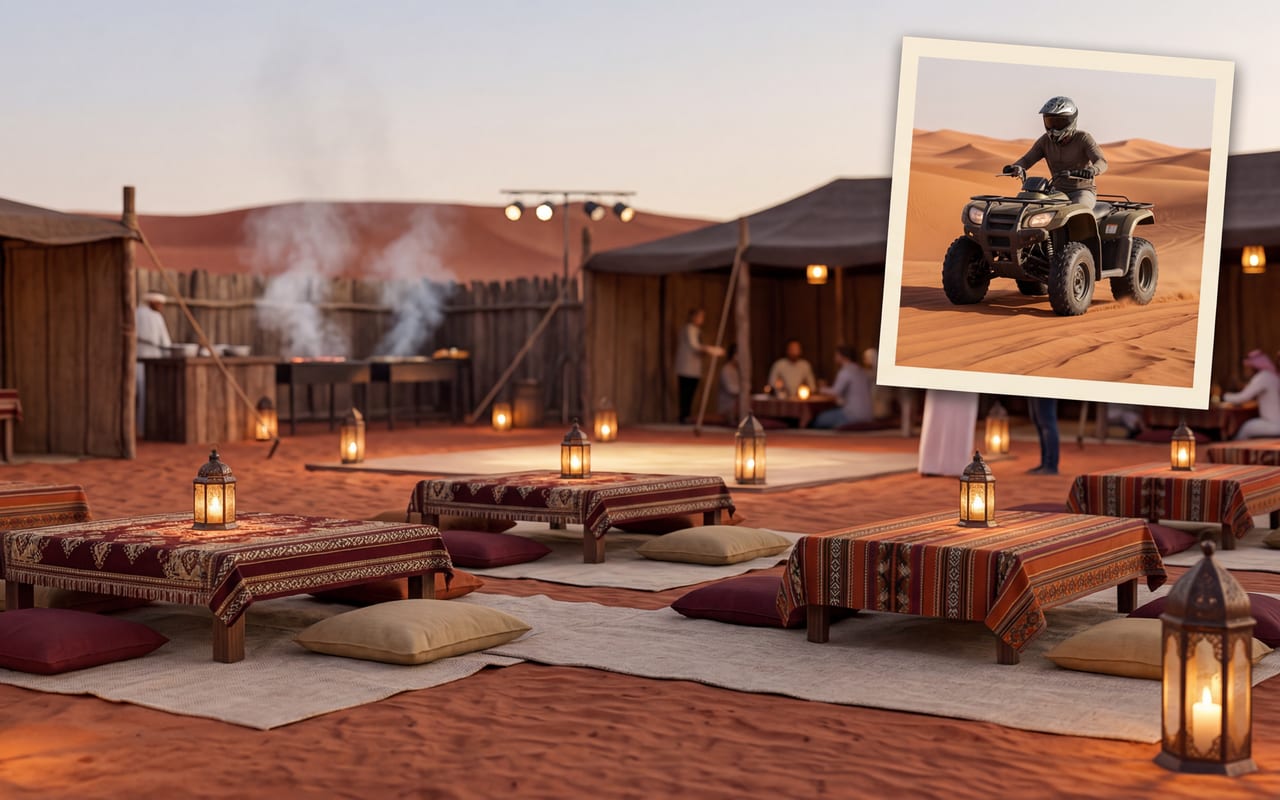
When choosing between options, compare the same things each time: rider suitability, route difficulty, safety arrangements, included gear, timing, and booking terms. This keeps the decision grounded. A lower key outing may suit a family or first timer better than a fast route, while a more experienced rider may want longer time on varied terrain.
Names can help with orientation, but they should not replace careful reading. ATV Dubai Desert is one name a reader may come across while researching options, and ATV Dubai Desert official site may be where specific booking details are checked. The useful question is whether the ride matches the people going and the conditions on the day.
A good booking choice feels clear before arrival. Riders know what they are joining, what they need to bring, what support is available, and what rules apply. With those points settled, the ride itself can be enjoyed for what it is: time outdoors, a change of pace, and a chance to see the desert from a different angle.